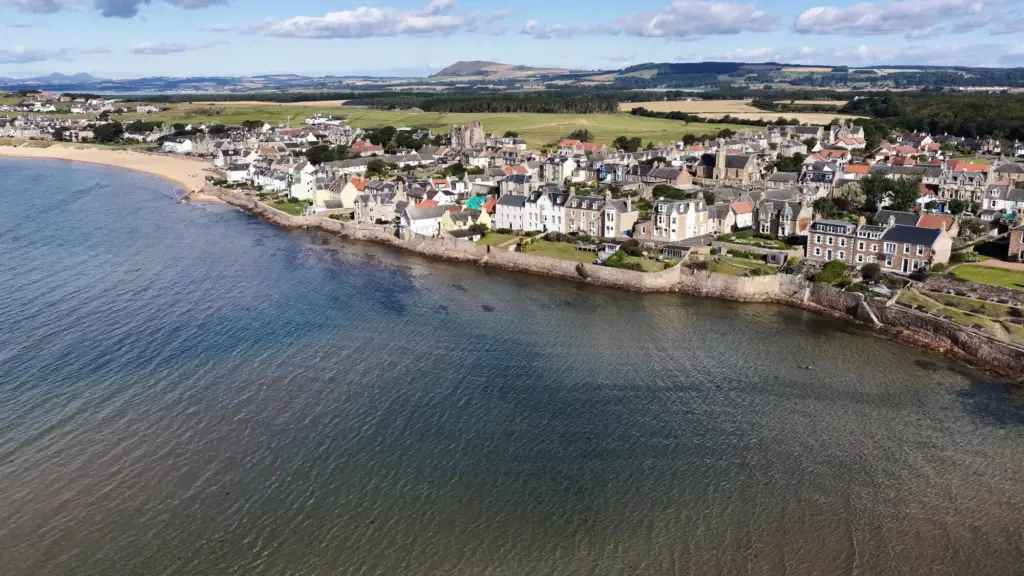
Between Sea and Shore: Navigating Cornwall’s Tidal Gateways
Springs, Neaps, and the Height That Changes Everything
Turning Predictions Into Conservative Plans
When Weather and Swell Redraw the Map
Wind Direction, Fetch, and Surging Channels
A modest onshore breeze across a long fetch drives set-up into coves and funnels it through gullies. Crossings that felt calm outbound can pulse dangerously on return. Note wind shifts by hour, watch whitecaps at channel mouths, and downgrade plans when chop shortens your stable footing.
Swell Period, Wave Setup, and Rock Platform Hazards
Longer periods carry taller, more forceful surges onto flat rock, dislodging feet and hiding potholes beneath foam. Even with low measured height, grouped sets can arrive after deceptive lulls. Observe at least ten minutes, map dry escape ridges, and retreat if any set starts overlapping steps.
Routes, Ridges, and Reliable Exits
Scouting at Dead-Low and Marking the High Line
Visit at dead-low springs to learn the ground, note barnacle lines, and photograph reference boulders from both directions. Chalk inconspicuous arrows, drop GPS breadcrumbs, or memorise a skyline notch. Your outbound memory will fade under pressure; tangible cues make confident, timely returns possible.
Spotting Cut-Off Gullies and Return Traps
Many enticing shelves terminate in a gully that fills first and drains last. Sketch these choke points on your map, count the steps down and up, and ask locals about usual flow direction. If the throat looks polished and weeded, expect turbulence and plan a higher alternative.
Wayfinding With OS Maps, Bearings, and Local Knowledge
Use 1:25k mapping to spot spot heights, tidal symbols, and access tracks, then convert features into bearings you can follow even in haze. Cross-check notes with lifeguards, wardens, and fishers. Local names for channels often reveal prevailing currents, warning you before the noise does.


Equipment That Earns Its Place on the Shore
Cross With Care for Wildlife, Heritage, and Access
Respecting Nesting Birds, Seals, and Sensitive Flora
Leave-No-Trace on Kelp, Mussel Beds, and Fragile Ledges
Access Notices, Tidal Causeway Etiquette, and Landowner Guidance
St Michael’s Mount: A Causeway Lesson in Timing
Kynance Cove and Asparagus Island: Beautiful, Deceptive, Unforgiving
Bedruthan Steps and Porthcothan Headlands: The Cut-Off Classroom
Patterns in RNLI Callouts and What They Teach