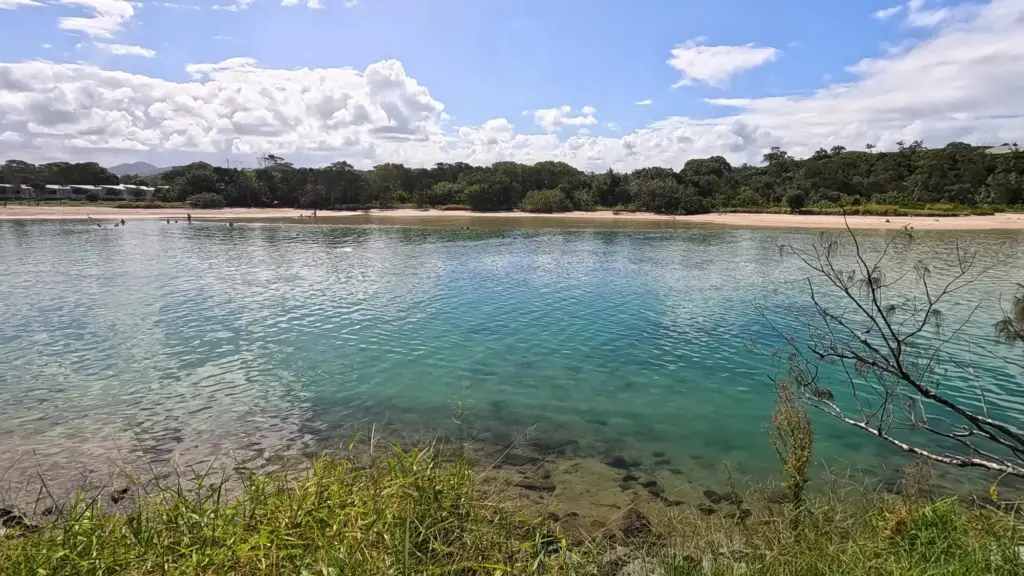
Circles of Sea and Sky: Designing Cornwall Loops from Clifftops to Low-Tide Sands

Today we focus on mapping circular routes that combine airy clifftop paths with low-tide beach traverses along Cornwall’s unforgettable coast. You’ll learn how to time windows, interpret tide tables, and connect rugged headlands with firm sand underfoot, transforming natural rhythms into safe, lyrical journeys. Expect practical mapping tactics, cautionary wisdom, and stories from memorable stretches, plus invitations to share your own discoveries, photographs, and GPX tracks with fellow coastal wanderers seeking beauty without unnecessary risk.

The Tide Is the Clock

Reading tide tables like a navigator

Start with authoritative tide tables for the nearest primary or well-calibrated secondary port, then consider offsets between places like Newquay, St Ives, Falmouth, or Penzance. Note daylight saving, barometric pressure influences, and recent swell conditions that can raise or flatten water unexpectedly. Treat low water as a shifting moment, not a fixed guarantee, and cross-check sources. If different charts disagree, plan to the earlier turning point. Your map lines should bend to the ocean’s arithmetic, never the reverse.

Setting conservative windows and buffers

As a rule of calm caution, begin any beach traverse well before the lowest point and aim to finish with plenty of margin before the flood gathers pace. Build buffers around headlands, river mouths, and boulder fields where progress slows. Remember how the last hour of the flood climbs deceptively fast, especially on spring tides. Add time for photography, wonder, and wayfinding. Generosity with margins makes space for joy, not anxiety, and protects you when an unexpected wave pattern appears.

Contingency and escape planning

Sketch multiple exit points long before you set foot on sand. Steps, slipways, or gentle dunes become lifelines when swell steepens or fog slides in. Refuse river-mouth short cuts and avoid cliffs with undercut bases that hide re-entrant traps. Keep phone power healthy, carry a whistle, and store the local coastguard emergency number; in the UK, dial 999 and ask for the Coastguard. Clear turnaround times beat stubbornness. You can always return another day when the sea says yes.

Contours, cliffs, and confidence

On Ordnance Survey Explorer maps, close-packed contours shout caution; they reveal where cliffs bite hard and exits thin to nothing. Combine that with symbols for steps, viewpoints, and permissive paths, then compare slope angles with your group’s comfort. Mark any crumbling sections noted by recent reports. The best loop is not the steepest one but the route whose gradients match your energy and daylight, leaving space for tidal timing, snack pauses, and the absorbing business of watching waves breathe.

Aerial imagery and intertidal detail

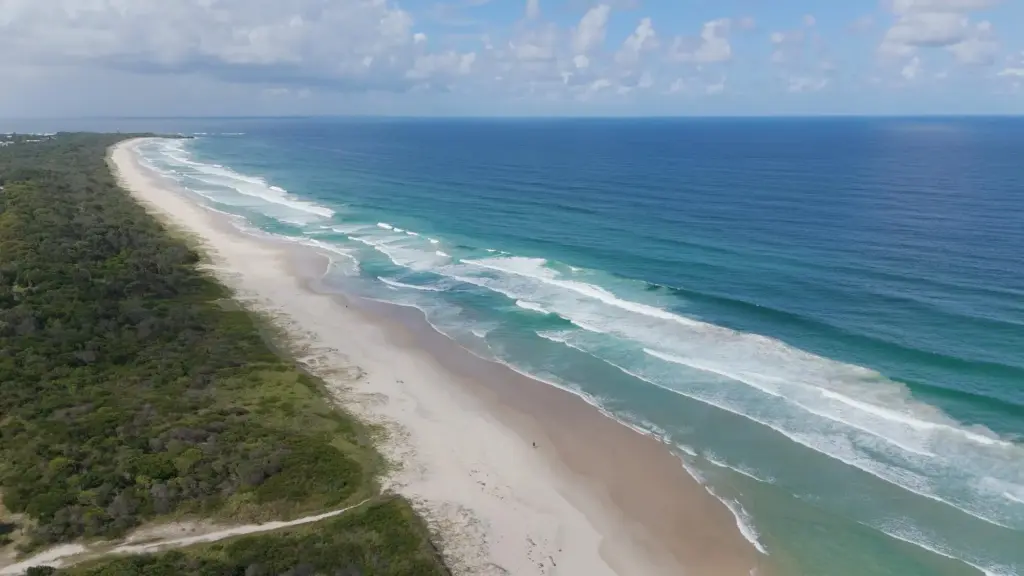
Satellite views help distinguish golden sand from awkward boulder gardens and identify shadowed gullies that can hold stubborn pools long after low water. Scan for rippled bars, stream mouths, kelp bands, and the faint hairline of a staircase you would miss on a diagrammatic map. Compare images from different seasons and years to understand how storms reshape entrances. When in doubt, downgrade ambitions. A well-placed shortcut to a safe staircase is elegance, not failure, when the sea frowns.

Linking Access Points and Amenities

Circular adventures improve when logistics feel effortless. Choose trailheads with reliable parking, public toilets, and cafés that welcome sandy boots. Check seasonal bus routes that shorten road sections and open creative loops without backtracking. Confirm car park closing times before sunset strolls lead you astray. Look for lifeguarded beaches in summer, especially when introducing friends to intertidal travel. A little civility—warm drinks, rinsing taps, friendly locals—adds glow to wild places and turns careful planning into wholehearted, repeatable pleasure.

Stories from the Edge

A few small episodes show how knowledge, timing, and humility braid together. These are not prescriptions, but windows into choices made with care: a watch checked twice, a margin expanded generously, a staircase celebrated like treasure. The sea allowed each moment; we simply listened. Let these vignettes inspire your own circuits, always adapted to the day’s mood, your company’s energy, and the sky’s changing script, where sunlight, swell, and tide negotiate the choreography long before your boots arrive.

A winter window near Sennen and Gwynver

Frost in the hedges, breath like pale banners, and a forecast promising friendly surf. We climbed from the harbour, gulls arguing over silver light, then dropped to sand with almost an hour before low water. Gwynver’s curve opened calmly, firm and uncomplicated. We walked, unhurried, counting buffers like blessings, then rose by steps as the first flood fingers returned. Hot tea on the cliff felt wiser because departure had been early, unheroic, and beautifully aligned with what the sea allowed.

Carnewas cliffs above the giant steps

Storms had rearranged the ledges, and official access down remained closed for safety, so we honoured the signs and kept our delight on the clifftop. The view over scattered stacks and glossy runnels still taught valuable lessons: how channels hold water stubbornly, how reflections hide depth, how a tempting shortcut can tighten into a cul-de-sac. Sketching loop options from above, we promised to return on a kinder day, patient and prepared, grateful that restraint can feel like a win.

Across Marazion sands to the island causeway

A blue morning and posted times from the custodians made planning precise. We crossed while the granite causeway stood dry and generous, then wandered the foreshore edges only where firm and simple, returning before the turning tide shrugged its shoulders. Tourists asked about timing; we answered with smiles and the quiet mantra of buffers. Back on the promenade, the circuit closed neatly, breakfast rolls tasted better, and our maps gained pencil notes that glowed with tide-aware, gently earned confidence.

Care for Cliffs, Care for Life

Beautiful places thrive when we move gently. Footfall concentrates on durable surfaces; bootprints stray from cliff edges and slip-prone turf. Birds nest, seals pup, and plants cling where a careless shortcut can undo years of quiet perseverance. Litter multiplies rapidly in winds that never rest. Your route is more than a line; it is a promise to future walkers. Share greetings, close gates, and carry out everything you carried in. Safety and kindness are not extras; they are foundations.

Walking softly on a living edge

Erosion accelerates on wet turf and sandy headlands, so shorten steps, avoid skidding, and keep dogs under close control near crumbly margins. Use established lines even when puddles tempt detours that widen scars. If a viewpoint feels precarious, it probably is; admire from safer ground. Small choices compound across seasons. Where boards or stone pitching exist, follow them gratefully. The coastline’s resilience depends on thousands of respectful judgments that nobody applauds, yet everyone benefits from, hour after wind-polished hour.

Wildlife, seasons, and thoughtful timing

Low-tide traverses touch habitats many creatures rely on for rest and feeding. Give seals enormous space, never between pups and sea, and back away quietly at first sight. In nesting months, obey buffer notices and seasonal diversions without grumbling. Dawn and dusk amplify animal activity; enjoy the spectacle from a distance. Binoculars extend wonder without intrusion. Your loop should feel like a visit, not an occupation, and your presence should fade cleanly when the tide returns to sweep tracks smooth.
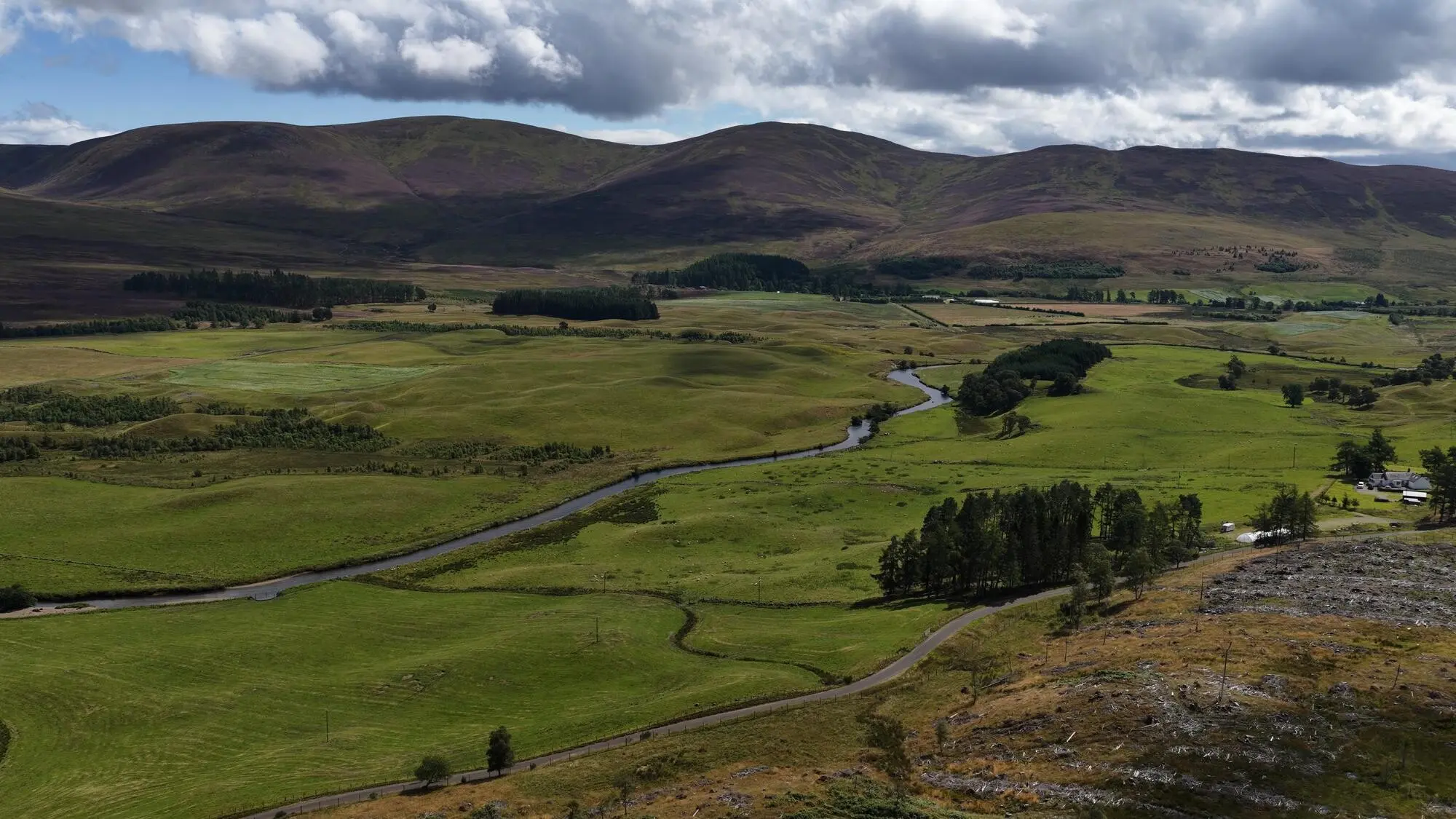
Swell, period, and reflected surprise
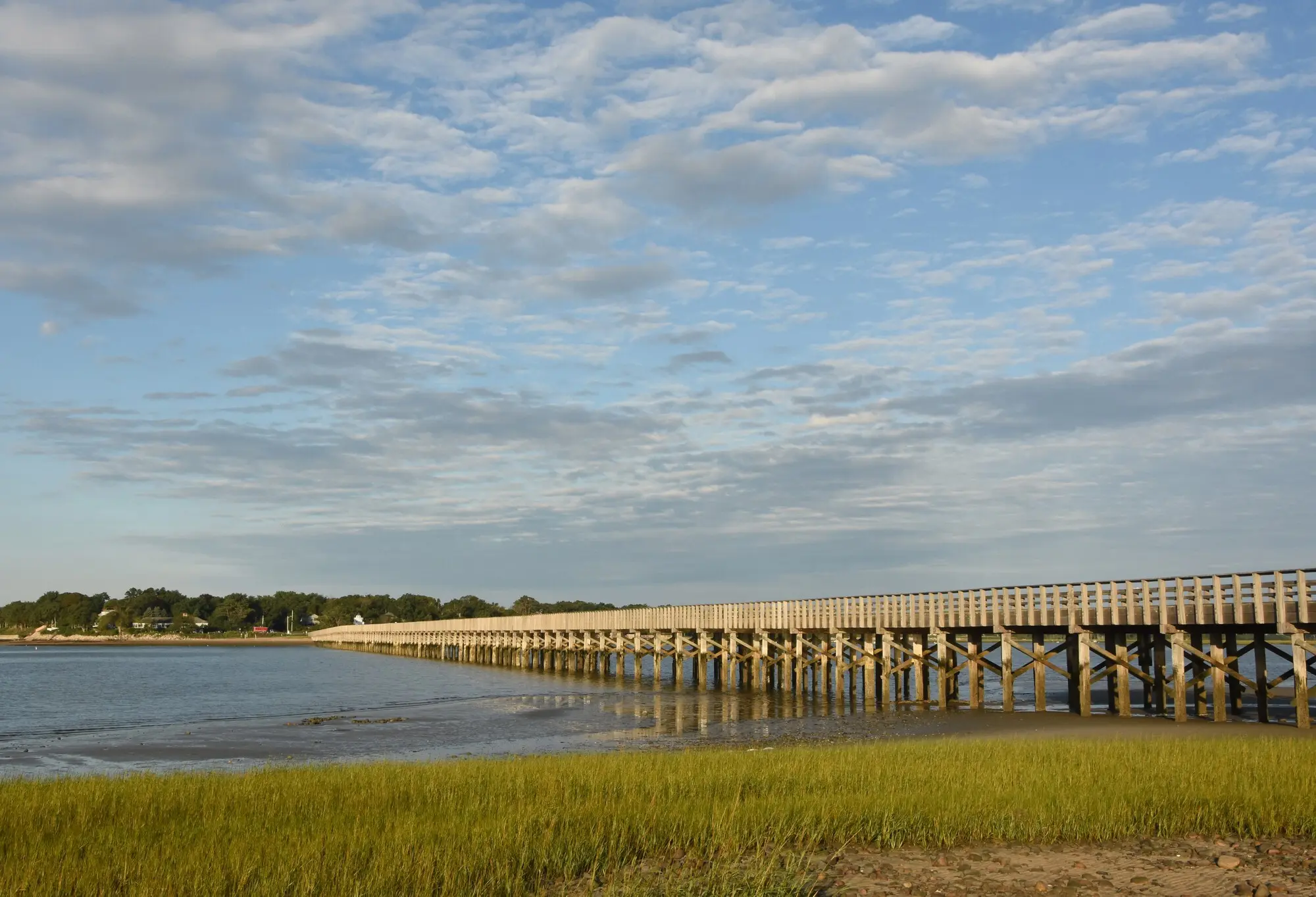
Wave height matters less alone than in company with period and direction. Long-period sets travel farther up sloping rock, reflecting chaotically from cliffs and surprising tired walkers near escape points. Study marine forecasts carefully, not just icons. If you cannot predict set rhythms after pausing for several minutes, delay or stay high. The calm between groups is an invitation to misjudge distances. Plan with the biggest, not the average, wave in mind; generosity keeps feet dry and hearts steady.

Wind, microclimates, and cliff funnels
A sheltered car park can lie. Headlands funnel wind, chilling fingers and concentration, while coves collect gusts that kick sand into eyes and maps. Layer up early, secure hats, and keep electronics in sand-proof pockets. Strong crosswinds on exposed cliff segments deserve trekking poles and a measured pace. When forecasts suggest marginal comfort, shorten the loop or save the traverse for a sweeter alignment. Microclimates teach humility; carry one more layer than pride recommends, and you will rarely regret it.

Streams, soft patches, and estuary traps
Even at low tide, braided streams can carve knee-deep channels with silty bottoms that sap heat and speed. Approach crossings slowly, probing firmness and seeking shallower fans downstream. Avoid estuary mouths where currents accelerate and sinking patches lurk deceptively. If two exits battle for your choice, favour the one with stairs visible and a dry apron above high-water wrack. There is dignity in detouring early to higher ground, leaving the sand to settle while your circuit continues serenely.

A friendly starter circuit blueprint

Begin with a short clifftop approach to a lifeguarded, well-served beach that opens wide at low water, then a relaxed traverse to a clear staircase exit within easy sight. Choose modest elevation gain, generous buffers, and sunshine that kisses rather than sears. If conditions tighten, switch to the higher bypass and close the loop calmly. Celebrate the finish with something warm, then record timings honestly. Repeat on a different tide strength to feel how the same landscape quietly changes.

Packing for grace, not burden

Carry a compact first-aid kit, charged phone, paper map, small power bank, snacks that survive salt air, and warm layers that still feel inviting when dampness lingers. Add a whistle, headtorch, light emergency blanket, and gloves that grip wet rails. Keep footwear firm but flexible for mixed rock and sand. A tiny brush removes grit from buckles before it eats webbing. Pack curiosity and patience at the top of the rucksack, where they are easiest to reach when needed.
Veltotorazunokento
Privacy Overview

This website uses cookies so that we can provide you with the best user experience possible. Cookie information is stored in your browser and performs functions such as recognising you when you return to our website and helping our team to understand which sections of the website you find most interesting and useful.